
Is Rawhide Bad for Dogs? Dangers and Safe Alternatives for UK Owners
Walk into almost any local UK pet shop, supermarket, or garden centre, and you will find shelves stocked with rawhide treats. Shaped like bones, shoes, or twisted sticks, these cheap and long-lasting chews are often marketed as the perfect way to keep your dog quiet and clean their teeth.
But a vital question is being asked by protective pet parents across the country: is rawhide bad for dogs?
While clever branding paints these items as wholesome dental aids, a growing number of UK veterinarians, animal welfare advocates, and emergency clinics are sounding the alarm about the severe health risks associated with rawhide. In fact, multiple official UK Parliament petitions have even been launched calling on the government to completely ban the manufacture, import, and sale of rawhide dog chews due to severe animal welfare concerns.
Furthermore, a shocking legal loophole catches British pet owners off guard: in the UK, rawhide does not have to meet strict pet food safety regulations because it is legally classified as a leather by-product rather than food. This means tracking the exact chemical residues entering your dog's system is incredibly difficult.
If you are a dog owner in the UK, here is what you need to know about the dangers of rawhide, the science behind how it reacts in your dog's gut, and the best safe dog chews to buy instead.
What is Rawhide, and How is it Made?
Many pet owners buy rawhide assuming it is a natural, dried meat product like jerky. It isn't! Rawhide is actually a by-product of the global leather industry.
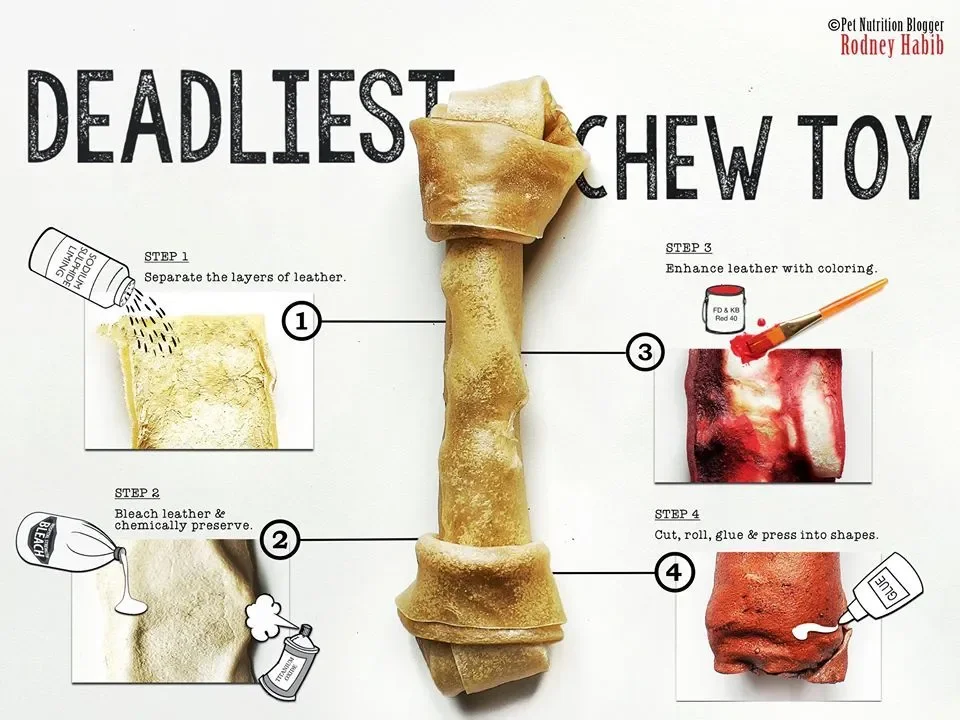
To turn animal skin into a rigid, chewable product, the hides undergo an intensive chemical process:
Chemical Baths: The hides are soaked in strong brines and toxic chemical combinations (such as sodium sulphide or lime) to strip away hair and fat.
Bleaching: Because the processed hide looks grey and patchy, it is bleached using hydrogen peroxide or chlorine to achieve a clean, white appearance.
Artificial Colouring & Painting: To make the drab hides visually appealing, manufacturers paint or dye them with artificial colours and synthetic pigments. This is how brands create festive gimmicks—like bright red and green candy-cane shapes for the Christmas season—which introduce unnecessary chemical additives into your dog’s mouth.
Cutting, Rolling, and Gluing: Finally, the treated leather sheets are cut, rolled, and tightly folded into traditional bone or stick shapes. To prevent these stiff layers from immediately unravelling on pet shop shelves, they are frequently held together with hidden artificial glues, commercial adhesives, and synthetic chemical flavourings.
When you give your dog a rawhide bone, they aren't chewing on a natural treat, they are gnawing on highly processed leather that is pretty much resistant to the canine digestive system.
The 4 Biggest Dangers of Rawhide for Dogs
While thousands of rawhide treats are sold in the UK every week, veterinary emergency networks and animal scientists warn that the risks far outweigh the benefits. Here is what the science says about why rawhide can be highly dangerous to your dog:
1. Intestinal Blockages (Gastrointestinal Obstruction)
This is the most critical threat. Rawhide is incredibly difficult for a dog’s stomach acid to break down. As a dog chews on rawhide, the treat becomes soft, slimy, and stringy. Aggressive chewers often tear off and swallow large chunks.
Once inside the digestive tract, these chunks do not dissolve easily. A landmark study published in the peer-reviewed Journal of Animal Science (Hooda et al., 2012) evaluated exactly how traditional rawhide breaks down over time. Researchers found that after 6 hours of exposure to gastric juices, alternative treats were over 54% digested, whereas traditional rawhide achieved a measly 7.6% digestibility rate. Even after 18 hours, it didn’t fully break down - that’s shocking isn’t it?!
Because it sits like dead weight in the gut, rawhide expands significantly as it absorbs moisture, acting like an expanding sponge that can completely block your dog’s digestive tract. A study published in the UK-based Journal of Nutritional Science (de Godoy et al., 2014 published by Cambridge University Press) confirmed that rawhide's poor gastric digestion rates pose a significant and direct risk for life-threatening gastrointestinal blockage. Correcting an obstruction almost always requires expensive, invasive emergency veterinary surgery.
2. Choking Hazards
Because rawhide turns into a rubbery, gooey consistency after prolonged chewing, it can easily become lodged in your dog’s throat or oesophagus (the muscular tube that connects the throat to the stomach). If a dog tries to swallow a sticky, half-chewed knot, it can cut off their airway entirely.
3. Harsh Chemical Processing & Lack of Regulation
Because much of the rawhide sold in UK supermarkets is imported from overseas factories, quality control varies wildly. Rawhide is not a byproduct of the food industry; it is a byproduct of the leather tannery industry. To transform tough, hairy animal skins into smooth, white dog chews, the hides are heavily treated with harsh manufacturing chemicals like sodium sulphide and hydrogen peroxide. Unfortunately, trace amounts of these toxic chemical residues can remain trapped in the final product. When chewed over long periods, these hidden irritants can severely inflame your dog's sensitive stomach lining, leading to unexplained digestive distress, vomiting, and chronic gastric issues.
4. Broken Teeth and Gum Injuries
Many owners buy pressed rawhide to help reduce plaque. However, pressed or glued rawhide bones are incredibly dense and unforgiving. When enthusiastic chewers bite down with full force, it can easily lead to painful dental fractures, broken teeth, and bleeding gums, especially in puppies and senior dogs.
Symptoms of Rawhide Distress: When to Call the Vet
If your dog has recently consumed rawhide, keep a very close eye on them. If you suspect your dog has swallowed a large chunk, do not wait. You should contact your local vet or your nearest UK out-of-hours emergency clinic immediately if you notice any of these warning signs of a blockage or choking:
Gagging, coughing, or difficulty swallowing
Vomiting or repeated retching
Extreme lethargy or signs of abdominal pain (hunched back, whining)
Loss of appetite or refusal to eat
Diarrhoea or strained, unsuccessful attempts to pass stool
Wholesome, Rawhide Alternatives from The Wulver's Gift
Dogs have an instinctual need to chew, it releases endorphins, relieves boredom, and satisfies their mind. Fortunately, you can ditch the leather by-products and choose 100% natural, single-ingredient options that nurture your dog while honouring the earth.
Here are some wholesome, safe, and premium options available right now at The Wulver's Gift to keep your dog happily occupied:
Natural Pork Rolls: The perfect shape-for-shape swap for a traditional rawhide roll. Made from 100% pure pork, these robust, completely natural chews satisfy your dog's instinct to gnaw without any of the dangerous manufacturing methods. Because they are minimally processed and gently dried, they retain their rich, meaty flavour and break down cleanly and safely in the stomach, all while helping to scrub away plaque and support oral health.

Camel Skin Braids & Camel Skin Sticks: If you have an aggressive chewer who needs a long-lasting challenge, tough camel skin braids are structurally dense but entirely digestible. They offer a highly resilient texture that breaks down safely in the stomach, keeping dogs busy without the blockage risks of processed leather.

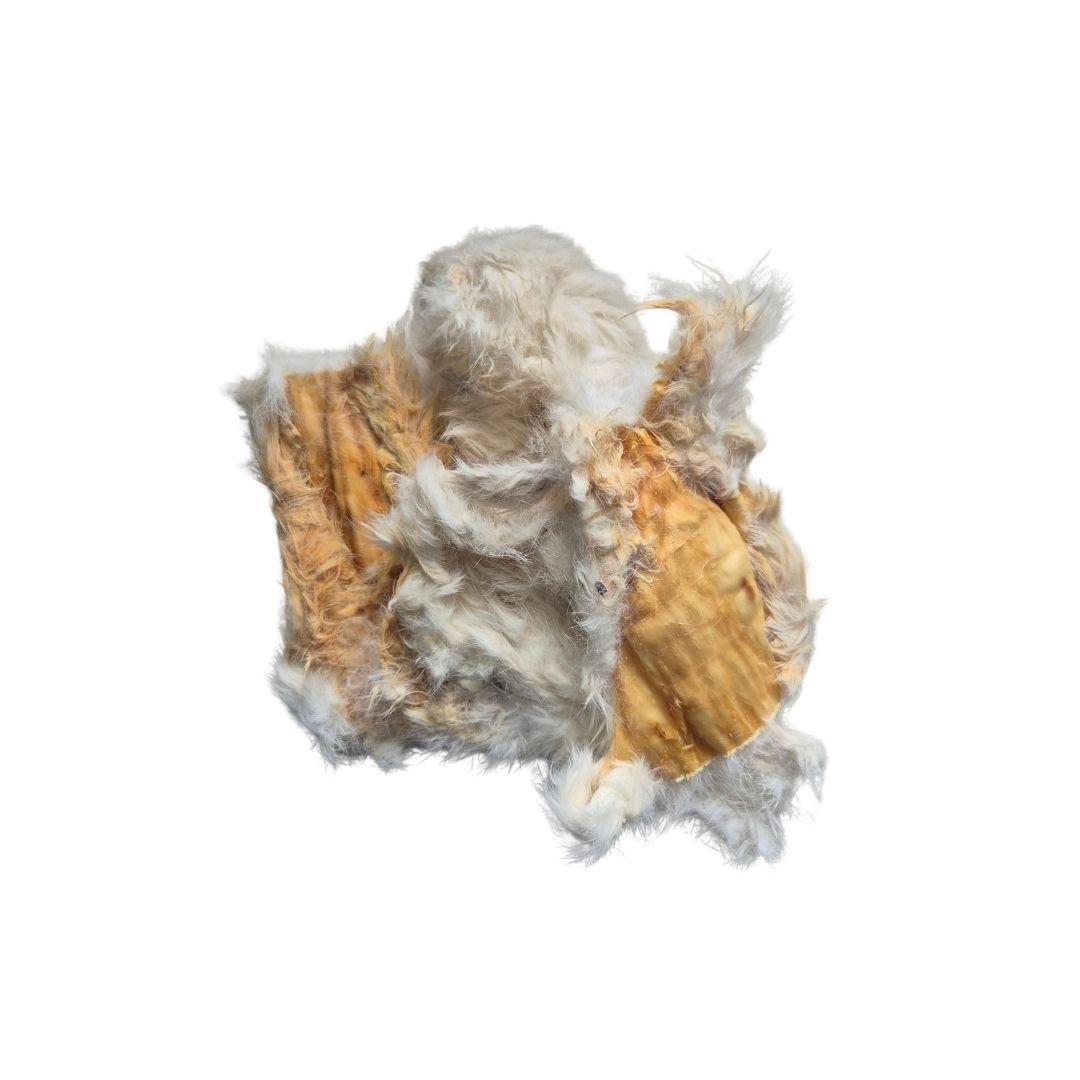
Pure & Natural Furry Chews (Rabbit Skin & Lamb Headskin with Hair): Furry treats act as "nature's pipe cleaners." As your dog chews, the natural hair sweeps through the digestive tract, brushing away food residue and acting as a mechanical internal cleanse while remaining completely gentle on the stomach.
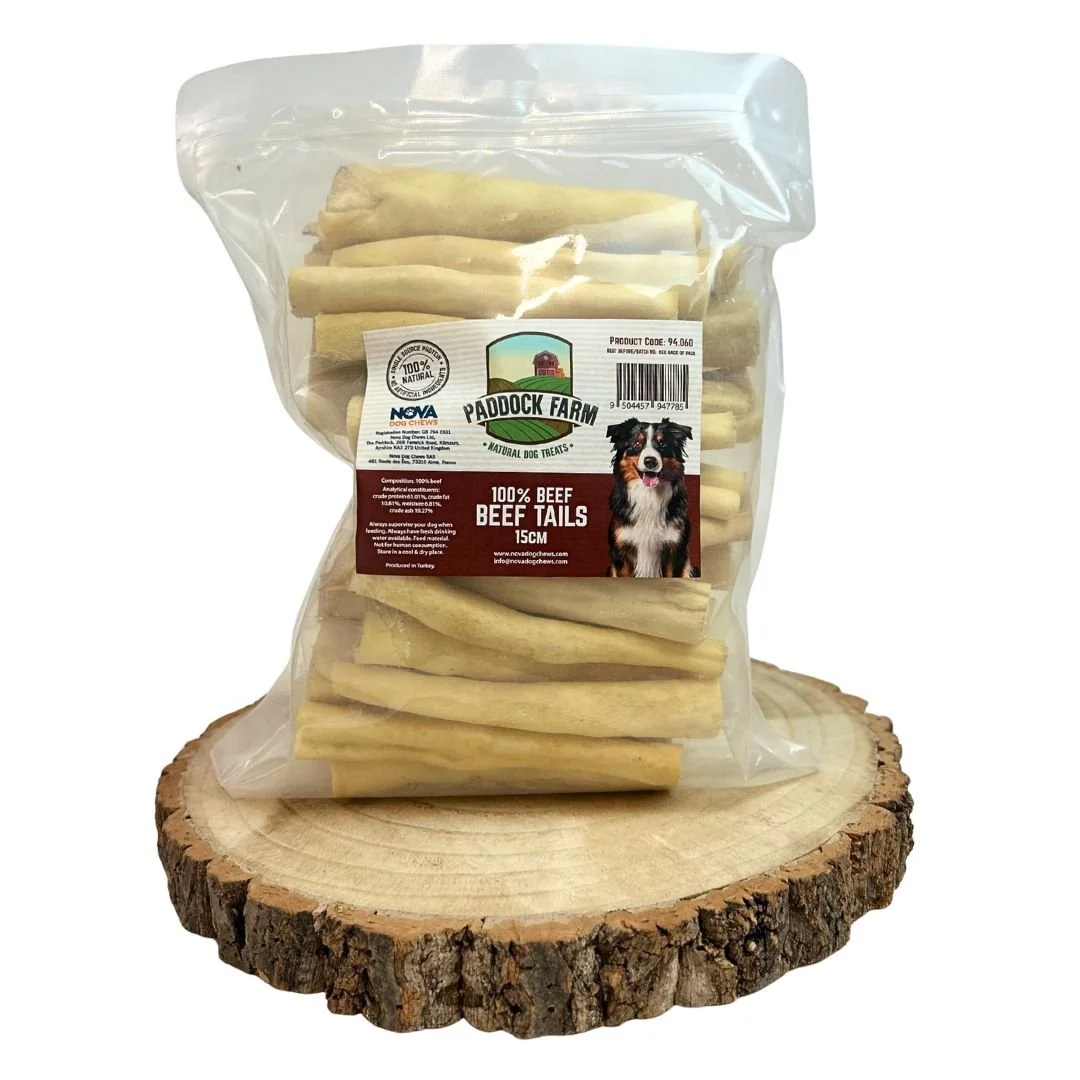
Paddock Farm Beef Tails: Low in fat and packed with an impressive 68.2% protein, these single-ingredient chews give a satisfying crunch. Unlike chemical-laden rawhide, beef tails are a rich, natural source of calcium, phosphorus, and collagen to boost joint, coat, and bone integrity.
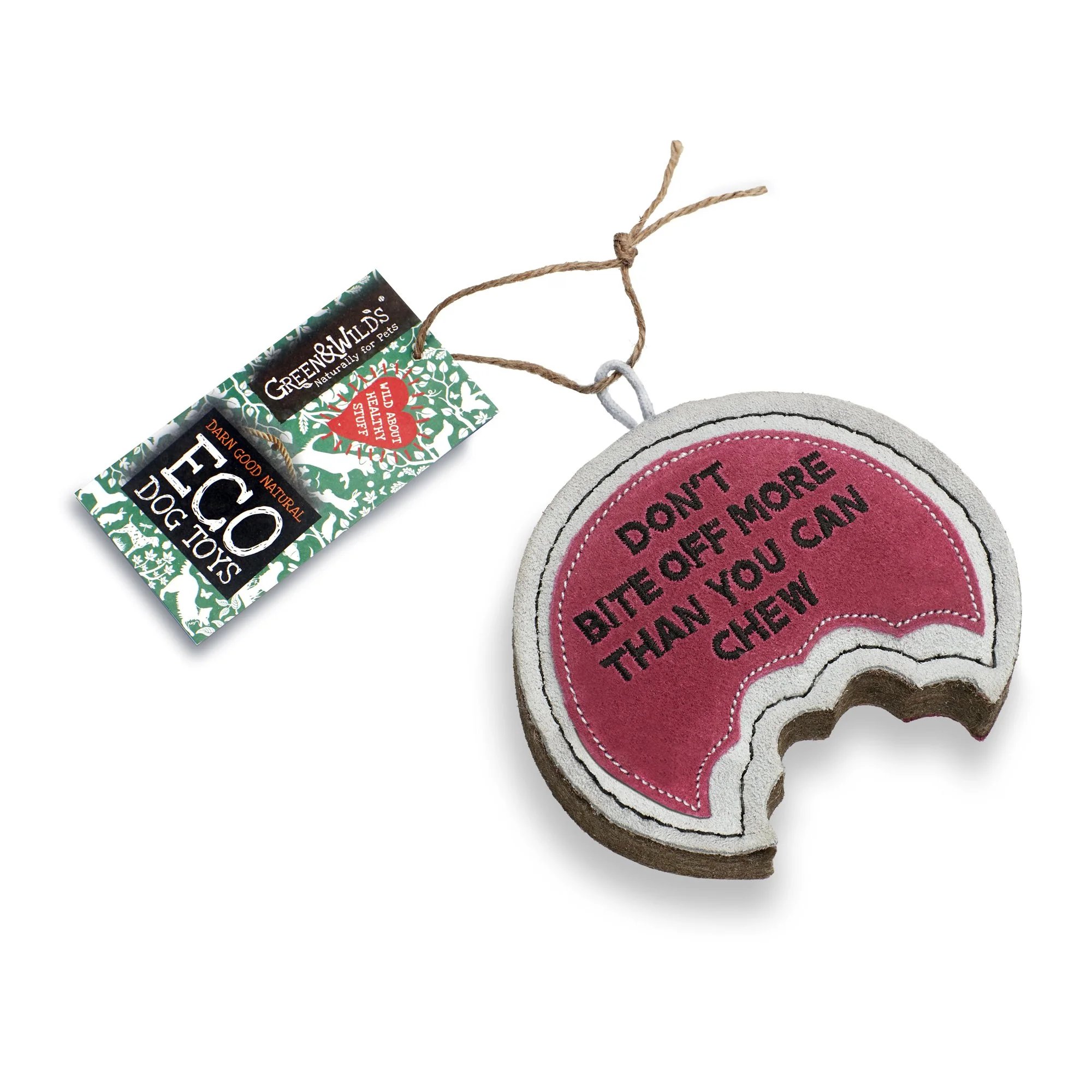
Green & Wild’s Eco-Friendly Chew Toys: If you want to steer away from edible chews entirely for play and focus on durable oral stimulation, explore sustainable options like the "Don't Bite Off More Than You Can Chew" or "Pepe le Pizza" eco-toys. Crafted from compressed natural wool felt, biodegradable jute, and non-waste suede by-products, they provide tough, interactive fun with zero synthetic toxins or hidden plastic compounds.
The Bottom Line
While traditional rawhide bones are cheap and easily accessible, the laboratory data and UK clinical realities do not lie. The risk of choking, dental damage, and emergency blockages is simply too high. By switching to single-ingredient, highly digestible options, you can give your four-legged best friend the mental stimulation they crave without compromising their safety.
Explore our full range of folklore-inspired, natural sourced treats today at The Wulver’s Gift and receive 15% off your first order when signing up to our updates!
